Warum kationisches Polyester anstelle von Standardpolyester spezifizieren?
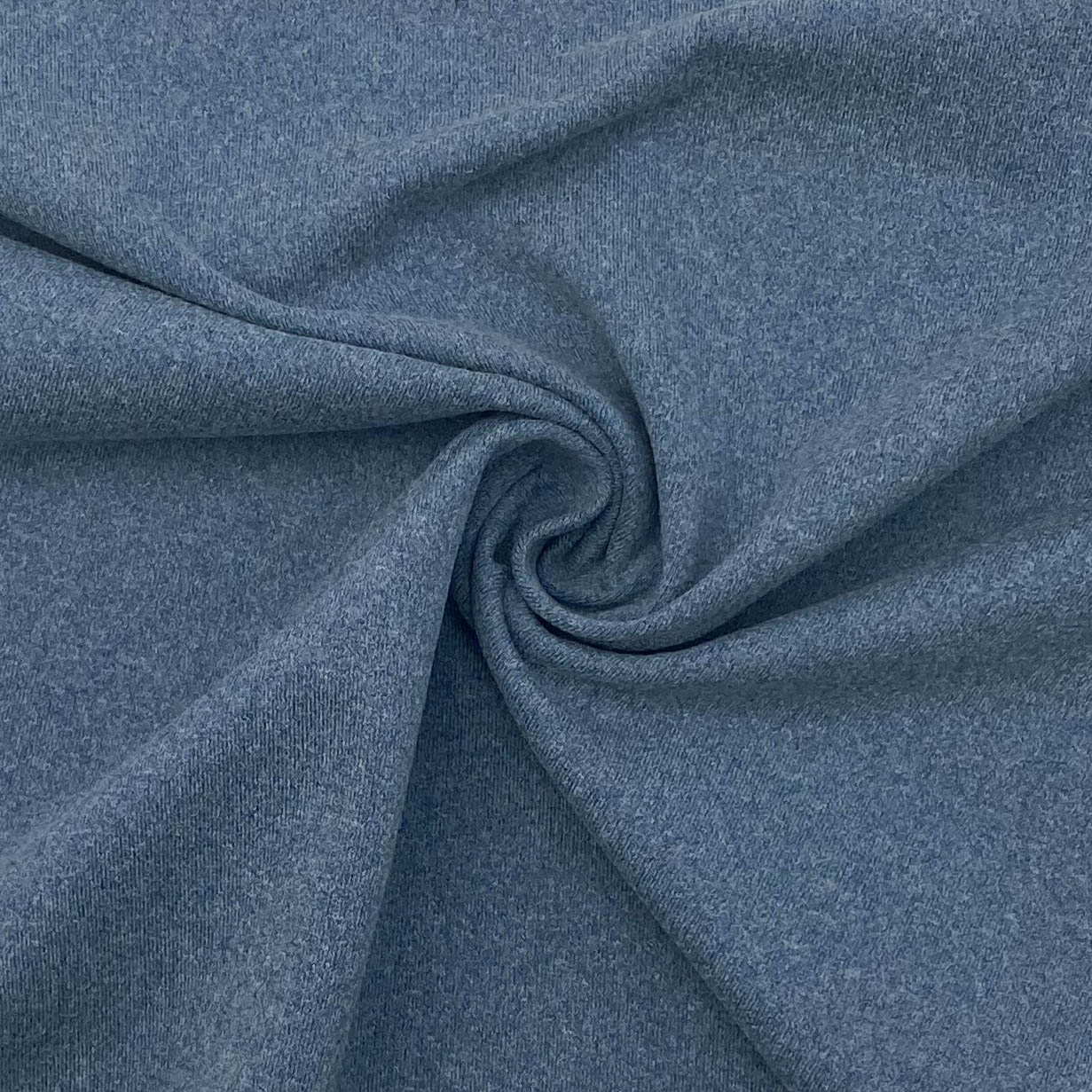
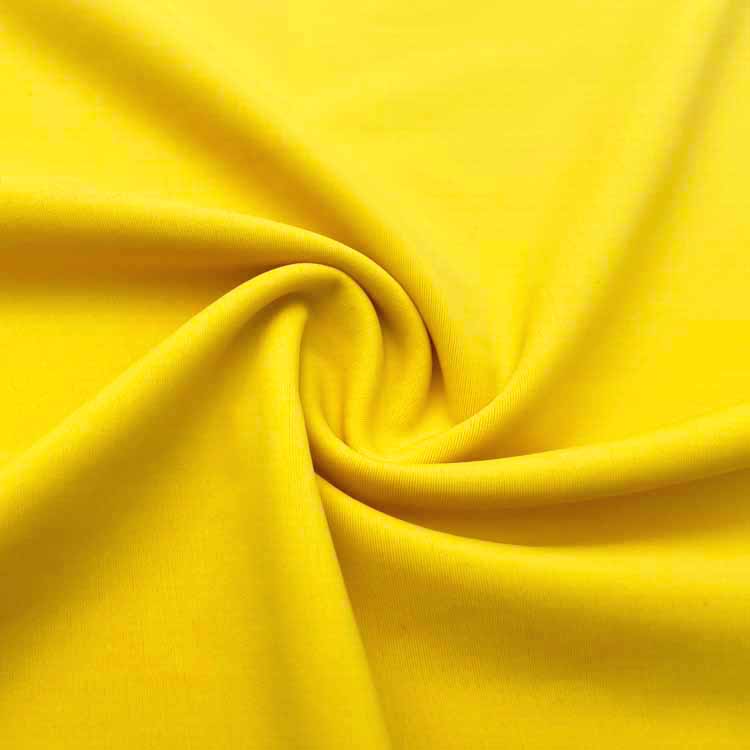
Kationisch polyester accepts dye at lower temperature and pressure and produces deeper shade depth on pastel and mid-tone colors. For lightsteelblue, the difference is visible in the richness of the shade and the reduced risk of a flat or washed-out appearance.
Wie sollte sich ein Elastangehalt von 25 % auf Passformversuche von Kleidungsstücken auswirken?
Der hohe Elastananteil bedeutet, dass der Stoff den Körper komprimiert, anstatt ihn zu umhüllen. Passformversuche sollten am Körper oder an Formen durchgeführt werden, die den Zielträger repräsentieren, wobei auf die Platzierung der Nähte und die Druckpunkte zu achten ist. Die Musterabstufung sollte die Erholungskraft des Stoffes berücksichtigen.
Mit welchen Farbunterschieden ist bei den einzelnen Parzellen zu rechnen?
Kationisch dyeing is sensitive to dyestuff selection and bath control. Retain a physical standard from the approved first lot and match subsequent lots against it under the intended lighting condition. Minor drift in pastel shades is possible and should be agreed before bulk commitment.
Beeinflusst kationisches Färben die Farbechtheit?
Kationisch dyeing produces good wash and light fastness when dyestuff selection and after-treatment are controlled. Confirm fastness results against your market requirements during sampling, particularly for swim and active programs where exposure to chlorine and sunlight is expected.
Ist dieser Stoff für Chlorpoolumgebungen geeignet?
Elasthan has limited resistance to prolonged chlorine exposure. For frequent pool use, chlorine-resistant elastane grades or alternative fiber bases should be evaluated. For occasional swim use, the fabric performs within normal expectations when rinsed after exposure.